
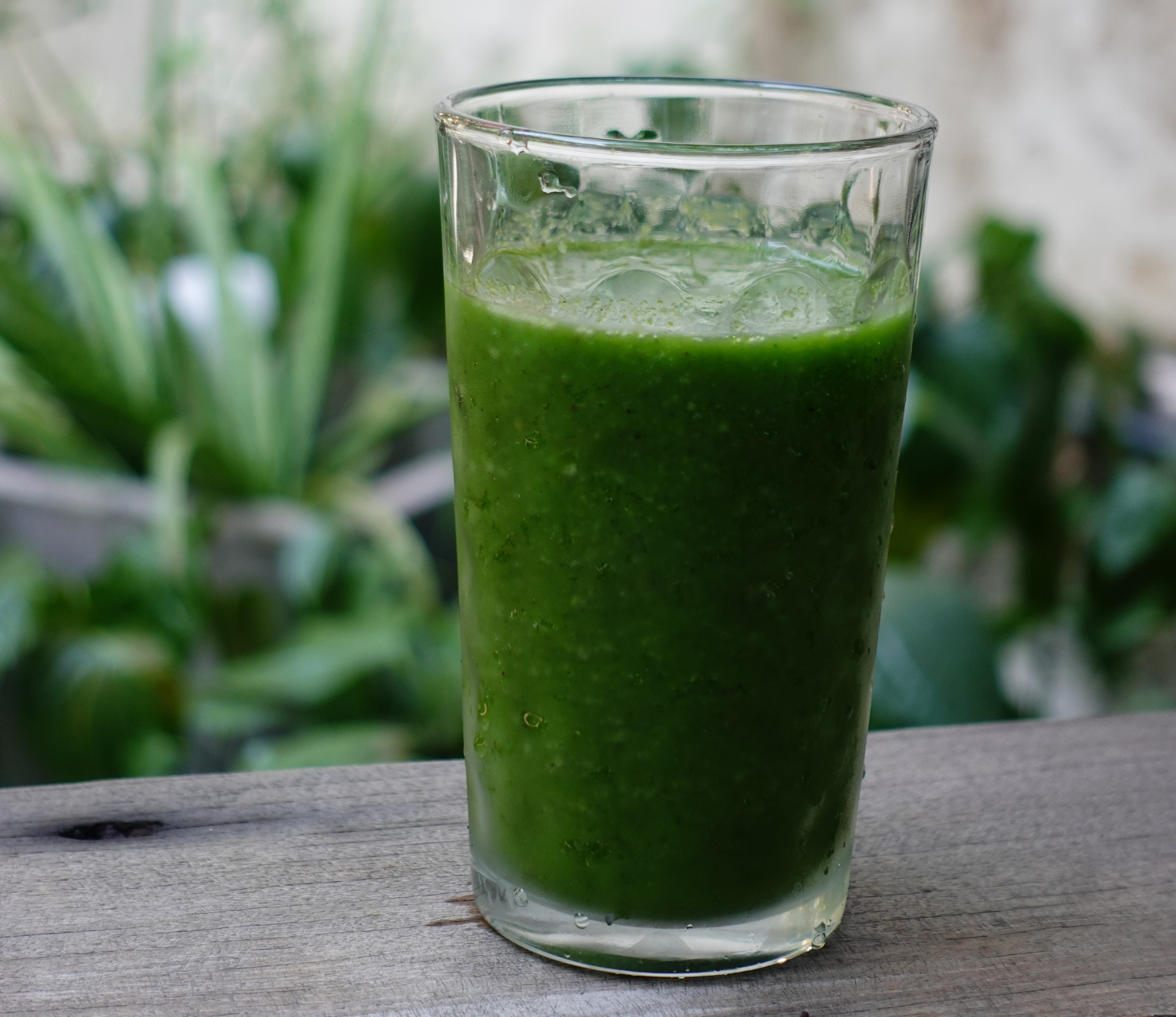
Many of us have been there—desperate to drop a few pounds fast, from trying juice cleanses that promised miracles to eating soup for a week. Spoiler alert: You end starving, cranky, and gaining the weight back in a week. Sound familiar? Crash diets like these are tempting, but they rarely work long-term. In fact, they can do more harm than good. Let’s unpack why crash diets fail and explore smarter, healthier ways to lose weight that actually stick, based on science and my own lessons learned the hard way.
What Are Crash Diets?
Crash diets are extreme, short-term plans that drastically cut calories or entire food groups—like juice cleanses, cabbage soup diets, or ultra-low-carb fads. They promise rapid weight loss, often 5-10 pounds in a week. But as I learned after feeling miserable on a 500-calorie-a-day plan, quick fixes come with big problems. According to the Mayo Clinic, these diets are unsustainable and can mess with your health.
Why Crash Diets Fail
Here’s why those “lose weight fast” plans let you down:
- They’re Not Sustainable: Cutting calories to extreme lows or banning carbs leaves you hungry and deprived leading you to increased cravings.
- Weight Loss Is Temporary: Most crash diet “results” are water weight or muscle loss, not fat. A WebMD article explains that you often regain the weight—and more—once you return to normal eating.
- They Harm Your Metabolism: Extreme calorie cuts can slow your metabolism, making it harder to lose weight later and you end up feeling sluggish for weeks afterwards.
- Nutrient Deficiencies: Skipping food groups can lead to deficiencies in vitamins or minerals, affecting energy and immunity. Harvard Health warns this can cause long-term health issues.
- They Ignore Your Lifestyle: Crash diets don’t teach you how to eat for your life, so you’re left without a plan once they end.
What to Do Instead: Sustainable Weight Loss Strategies
Instead of chasing quick fixes, focus on habits that work long-term. Here are strategies that helped can help ditch the crash diet cycle and actually see results:
- Aim for a Modest Calorie Deficit
A safe deficit of 800-1,200 calories daily leads to 1-2 kilos of weight loss per week. Start swapping chips for veggies with hummus and cut out sugary drinks—it adds up without feeling like torture.
- Eat Balanced, Nutrient-Rich Foods
Focus on lean proteins, whole grains, veggies, and healthy fats. Make a salad with chicken for lunch—it’s filling and keeps you energized. NIDDK recommends a balanced diet to support weight loss and overall health.
- Move Your Body Regularly
Exercise doesn’t have to be intense—just consistent. Start with a 20-minute walk, then add strength training twice a week. It’s boosts your mood and your results. O
- Address Stress and Sleep
Stress and lack of sleep were can be a persons kryptonite—hello, late-night cookie binges. Getting 7-9 hours of sleep and practicing 5-minute mindfulness exercises can help you stay on track. NIH research shows sleep and stress management are key for weight loss.
- Consider Professional Support
If you’re struggling, a medically supervised program can make a huge difference. Slender Wonder can help you lose the weight and keep it off by following a tailored plan with expert guidance. It is not just a diet—it is a lifestyle reset,” she said.
How to Start Your Healthy Weight Loss Journey
Ready to ditch crash diets for good? Here’s how to begin:
- Track Your Habits: Log food and activity for a week to spot areas for improvement.
- Set Realistic Goals: Aim for 1-2 kg’s per week with a balanced diet and exercise.
- Get Support: Join a program like Slender Wonder or talk to a dietitian for personalized advice.
Our Weight Loss Motivation Guide can help you stay focused.
Final Thoughts
Crash diets might promise a quick win, but they’re a setup for failure. Understanding why crash diets fail helped me embrace sustainable habits that actually work. Small changes—like eating balanced meals and moving more—have made me feel stronger and happier. What’s one healthy habit you’re ready to try?
Need more weight loss tips? Check out our Healthy Living Blog for the latest advice.

